Getting support early from health care professionals can make a big difference in helping children with ARFID recover. With the right guidance and patience, many children can go on to expand their diets and support their normal development.

While malnutrition can be a serious concern for children with ARFID, early support can make a meaningful difference on preventing negative growth and health outcomes.
Learning what to feed children with ARFID can feel overwhelming. Identifying “safe foods” and using high-calorie options can support their physical and mental development.
If you think your child has ARFID, you might be wondering where to start. Here's a breakdown of ARFID treatments that may be used to support your child's journey.
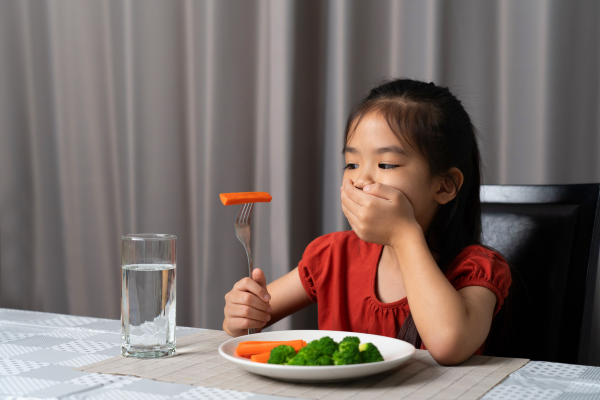
While the symptoms of ARFID can be similar to picky eating, there are more specific signs you can watch out for that may indicate your child requires additional attention and support.
ARFID is a serious feeding and eating disorder that can have long-term effects. Recognizing the signs and symptoms of ARFID can help parents identify when additional support is needed.
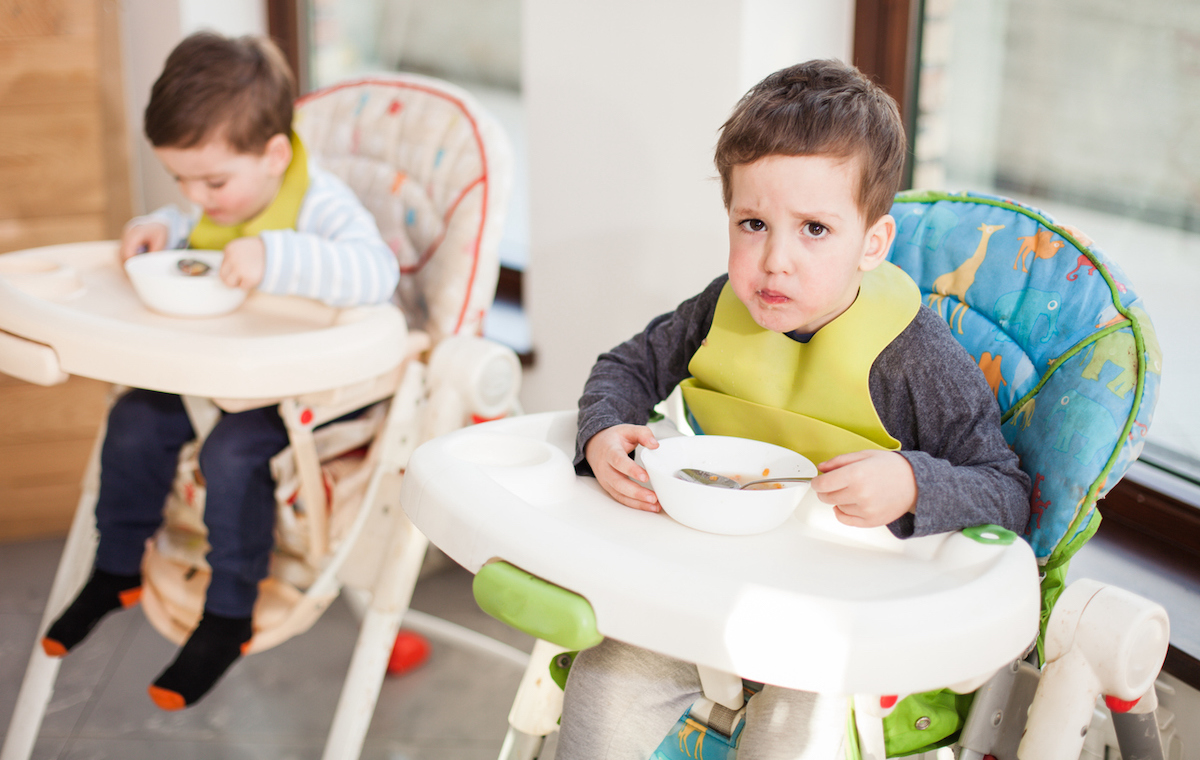
Not sure when to stop using the high chair? Learn when to transition from the high chair to a booster seat with this guide, plus get tips for making the switch easier.
Teaching kids table manners helps them behave respectfully at meals. Learn how to teach kids table manners, why they're important, and get lists of table manners for kids to practice.
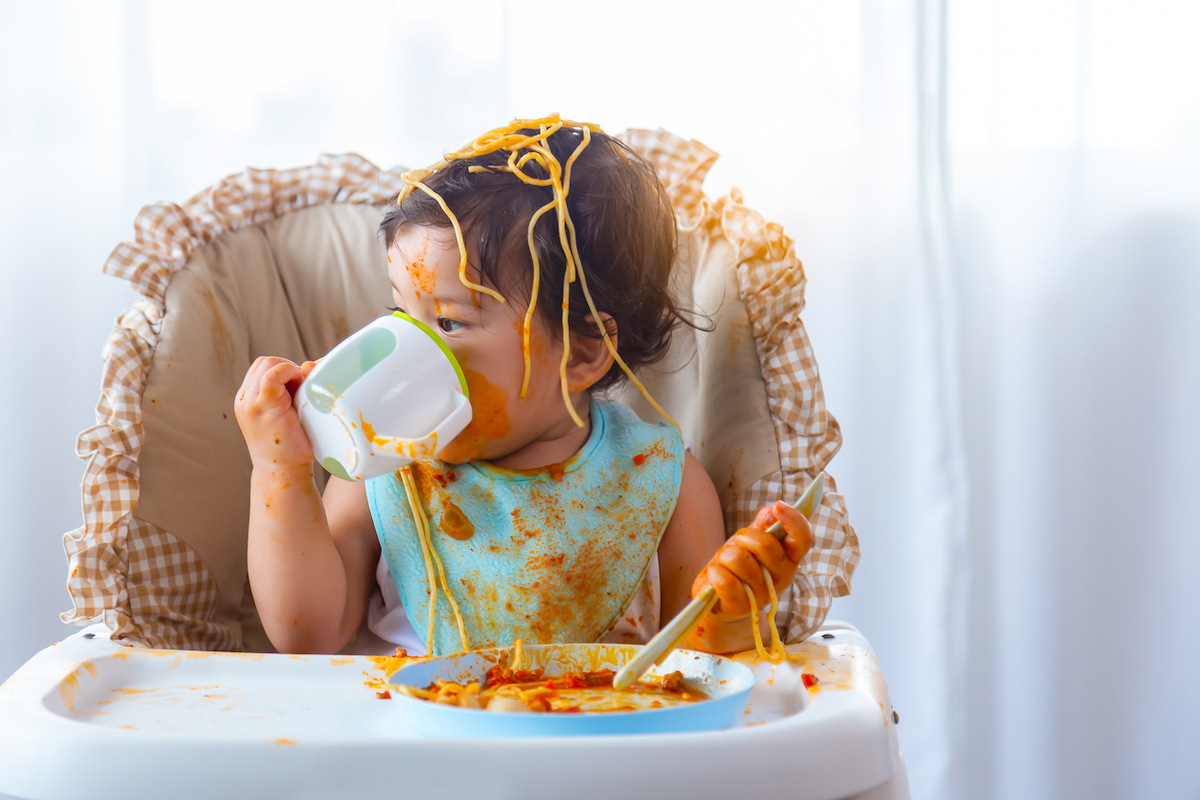
Did you know that it’s actually good for your toddler to make a mess while they’re eating? Learn why they do it, why it’s good for them, and get tips on how to manage the mess.