Getting support early from health care professionals can make a big difference in helping children with ARFID recover. With the right guidance and patience, many children can go on to expand their diets and support their normal development.

While malnutrition can be a serious concern for children with ARFID, early support can make a meaningful difference on preventing negative growth and health outcomes.
Learning what to feed children with ARFID can feel overwhelming. Identifying “safe foods” and using high-calorie options can support their physical and mental development.
If you think your child has ARFID, you might be wondering where to start. Here's a breakdown of ARFID treatments that may be used to support your child's journey.
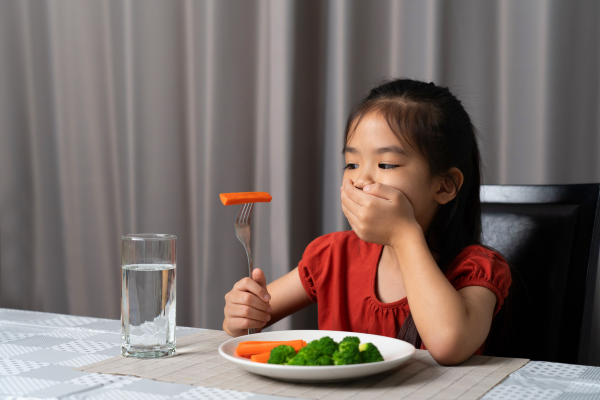
While the symptoms of ARFID can be similar to picky eating, there are more specific signs you can watch out for that may indicate your child requires additional attention and support.
ARFID is a serious feeding and eating disorder that can have long-term effects. Recognizing the signs and symptoms of ARFID can help parents identify when additional support is needed.
Food is being marketed to children everywhere, even at schools. Learn how food marketing and diet culture affect children, and find out what you can do to counter and limit your child’s exposure.
It can be hard to talk about weight, size and health with your child. If you're looking for guidance, check out our evidence-informed guide for how to handle these tough discussions.
Why is fiber important for kids? How much do they need and what foods should they eat to make sure they're getting enough? Our dietitian breaks it down for parents in this simple guide.